

The complete guide
How to Choose a Convertible Gym Bag That Actually Works
The problem with owning three bags
Here is a familiar scene. There is a backpack by the door for work, a nylon duffle in the car boot for the gym, and a holdall in a cupboard that comes out twice a year for weekends away. None of them does the whole job. The backpack is too small once you add shoes. The duffle digs into one shoulder by the time you reach the car park. The holdall has one big empty cavity, so your towel ends up pressed against your trainers.
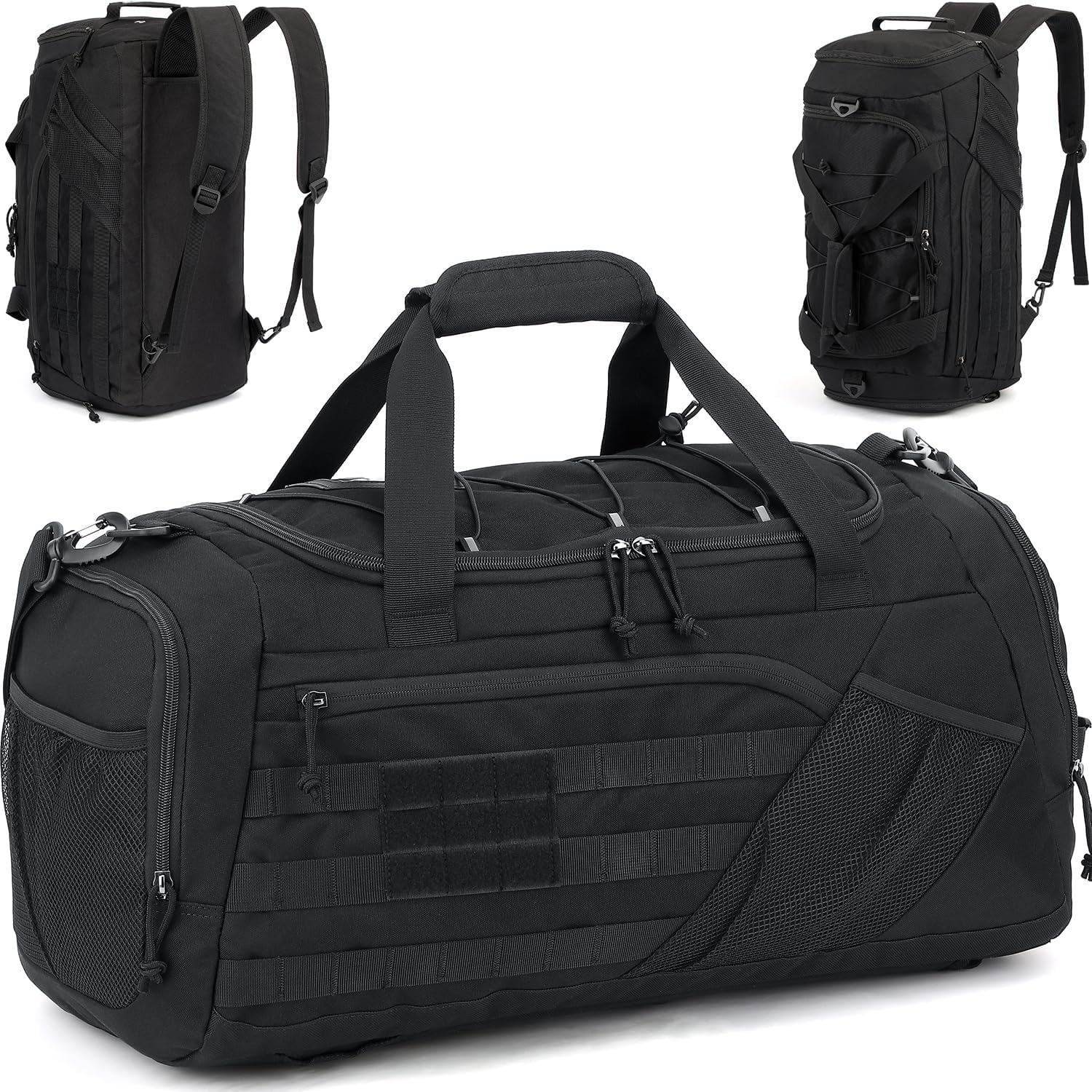
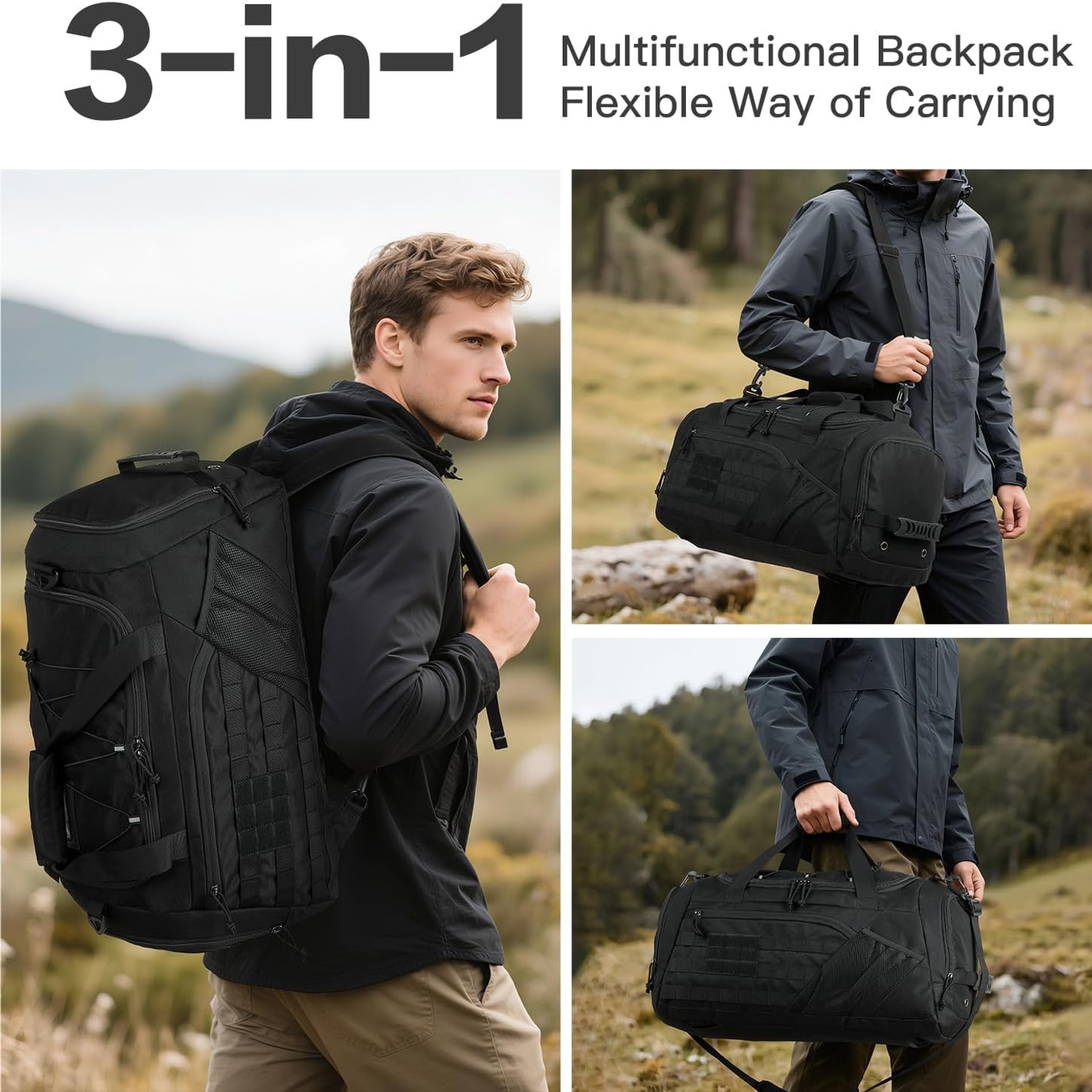
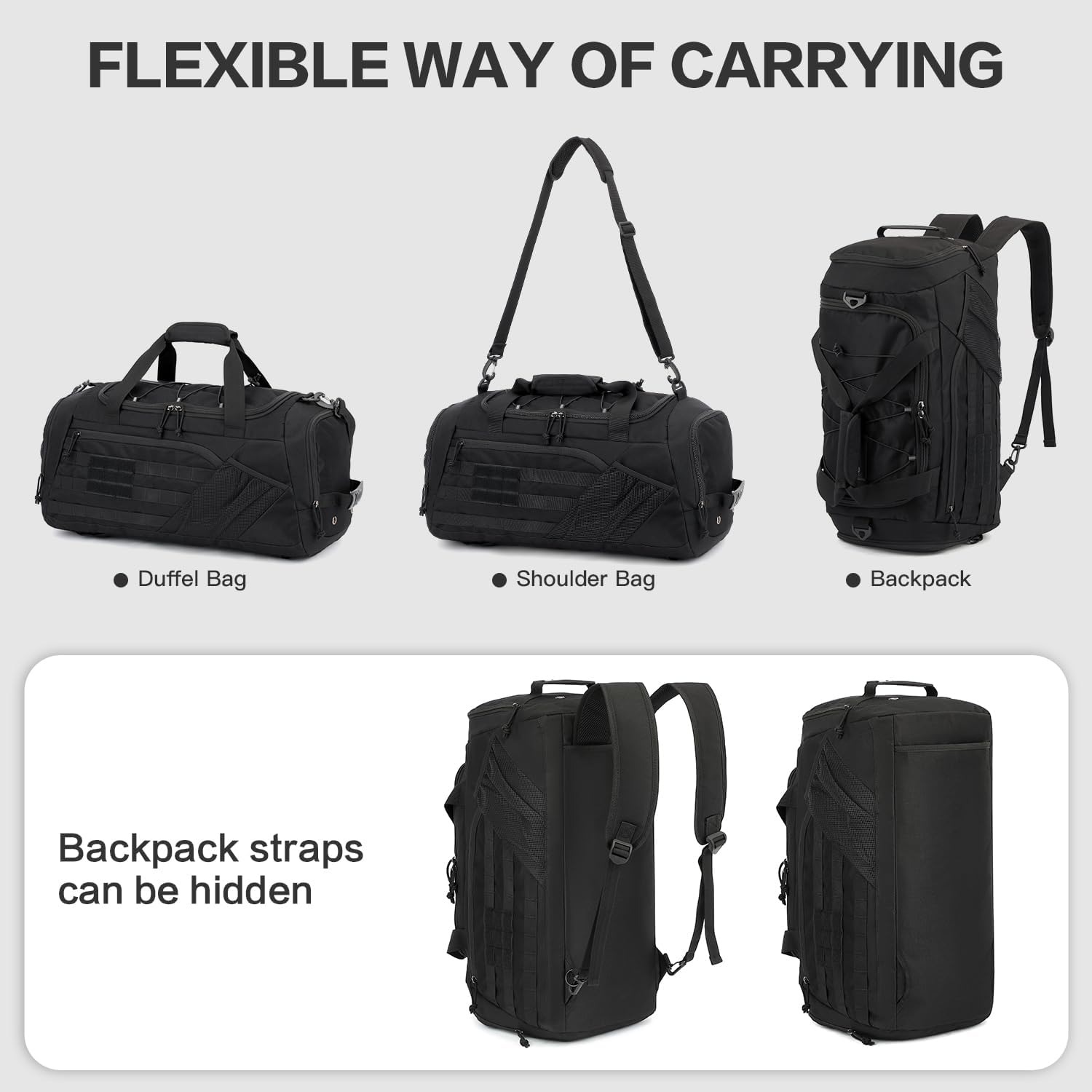
A convertible bag solves this by changing shape instead of changing bags. You pick the carry mode that suits the walk you are about to do. Short hop from car to gym, grab the handles. Ten minute walk to the station, use the shoulder strap. Cycling, or hauling it across an airport, put it on your back. The contents stay exactly where you packed them.
How the three-in-one system works
There is nothing clever or fragile about the mechanism, which is a good thing. The web handles are stitched to the body and are always there. The single shoulder strap clips on and off and adjusts for length, so you can take it off completely when you want a clean profile or when the bag is going inside a suitcase.
The backpack straps are the part people ask about most. They live in a zip pocket on the base of the bag. Unzip it, pull them out, and attach them using the hook-and-loop fasteners. When you are done, they fold back into the same pocket and disappear. This keeps them from snagging on conveyor belts and stops the bag looking lumpy when you are using it as a duffle.
The practical upside is that you never leave a component at home. Everything either stays attached or stores in the bag itself.
What 45 litres actually holds
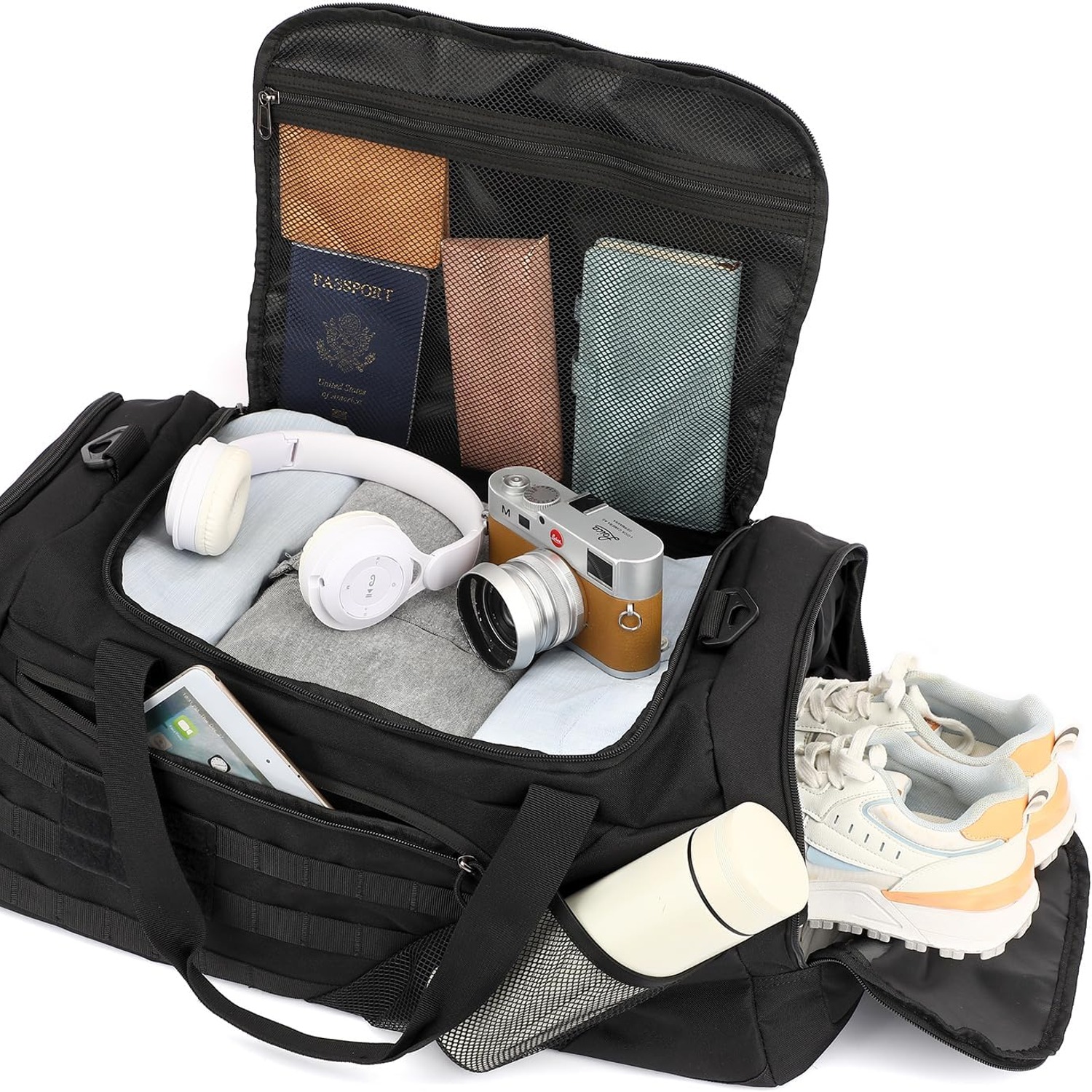
Litres are hard to picture, so here is the real version. Forty-five litres takes a full gym change, a towel, trainers, a water bottle, a protein shaker and a hoodie with room to spare. For travel, it comfortably covers two nights for most people, three if you are disciplined about what you bring.
The footprint is 55.8 x 28 x 29 cm, which is a 22 inch bag. That is the classic carry-on duffle shape. Because the sides are soft, it will squeeze into a sizer better than a hard case of the same stated size. Just remember airlines set their own limits and budget carriers measure more carefully than full-service ones.
At 1.1 kg empty, the bag itself barely counts against a weight allowance. Some rigid cases eat four or five kilos before you put a sock in them.
Keeping clean and dirty apart
The single biggest reason a gym bag becomes unpleasant is that everything shares one space. A wet towel against a clean shirt turns the whole load damp. Trainers worn on a dusty court leave grit over the lining.
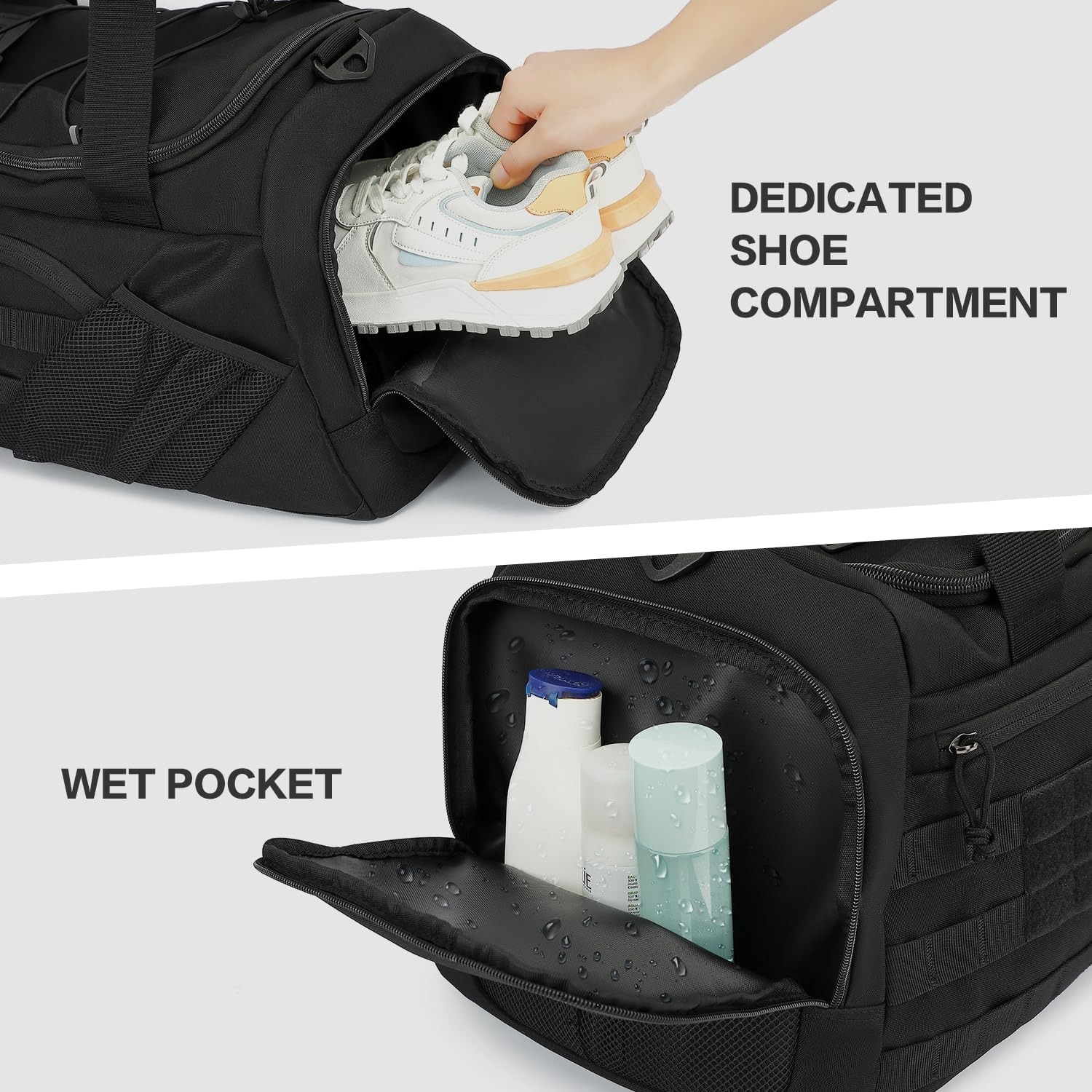
Two features deal with this. The first is a separate shoe compartment with air holes punched through it. Your footwear goes in its own sealed section and the vents let moisture escape rather than letting it steam inside. The second is a zip pocket on the rear of the bag for wet items, so the swimsuit or sweaty shirt travels on the outside wall rather than in the middle of your clothes.
Neither feature works if you forget about them. Empty both the same day, and leave the zips open overnight so air can move through. That one habit does more for bag smell than any spray.
The smaller pockets, and why they matter
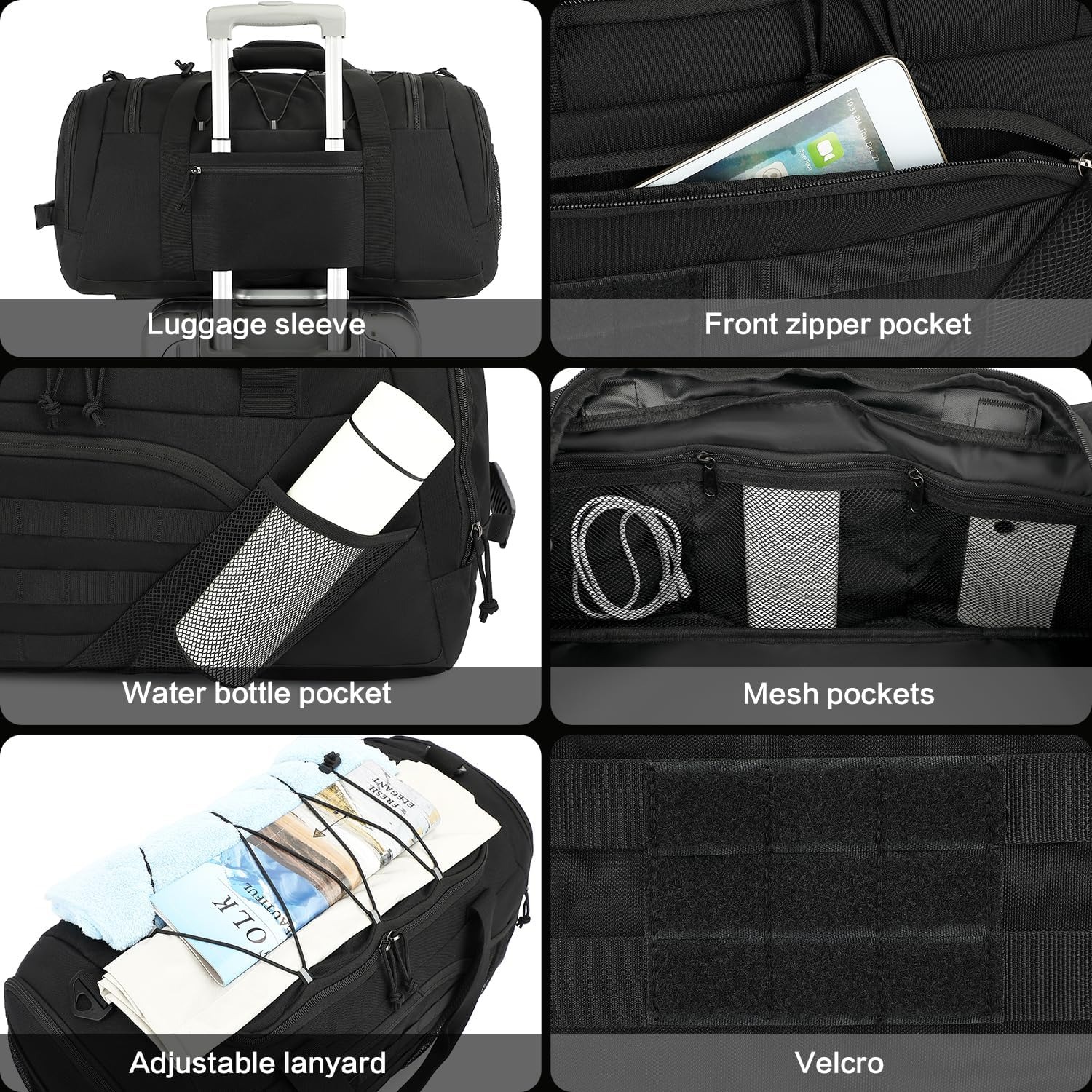
Beyond the big compartments there is a front zip pocket and a mesh pocket for the things you reach for most, side pockets for a bottle, and an ID card slot. On the lid of the main compartment there is an elastic bungee net. That is where a rolled yoga mat, a picnic blanket or a light shell jacket goes, strapped to the outside so it does not steal interior space.
MOLLE webbing runs across the exterior. If you have not used it before, it is a grid of stitched loops that lets you thread on carabiners, small pouches, a torch or keys. It is a tactical feature that happens to be genuinely useful in civilian life, because anything hanging outside is anything you are not digging for inside. There is also a hook-and-loop panel if you want to add a patch. Leave it bare and the bag reads as plain black luggage.
Who this suits
Gym regulars who carry shoes and a towel every session get the most from it. So do people who do a mix of things, train on Tuesday, fly on Friday, camp in summer. The best travel duffle backpack for that kind of life is one that does not force you to repack into a different bag each time.
It also makes sense for team sports. Kit in the main space, boots in the vented section, wet jersey in the rear pocket, drink in the side pocket. And for short trips, the luggage sleeve on the back slides over a rolling case handle, so in an airport it rides along instead of hanging off your arm.
Who it is less suited to: anyone wanting a true hiking pack for long distances under heavy load. Convertible backpack straps are built for short and medium carries, not for a multi-day trek with a hip belt and frame. If that is your main use, buy a proper hiking pack and keep this for everything else.
Choosing between sizes and styles
If you are comparing options, three questions sort it quickly.
First, do you carry shoes? If yes, a dedicated vented compartment is worth a lot more than an extra few litres of general space.
Second, how far do you walk with it loaded? Under five minutes, a duffle handle is fine. Longer than that, you want backpack straps, and a convertible design saves you buying two bags.
Third, does it need to fly? A 22 inch soft-sided bag is the sweet spot for cabin baggage. Anything much longer and you are checking it in.
Looking after it
Care is simple. Spot clean with a damp cloth and mild soap, then let it air dry completely before you store it. Skip the washing machine and the tumble dryer, because heat and agitation are hard on zips, webbing and the water-resistant finish.
Shake grit out of the corners every few weeks. Grit in a zip track is the most common cause of a zip failing early. Do not overstuff the bag past its shape, since that strains the seams and the sliders. Store it loosely in a dry place rather than crushed under heavier cases.
The polyester shell is water resistant, which covers rain on the walk to the car and splashes on a changing room floor. It is not waterproof, so in sustained heavy rain treat electronics the way you would in any soft bag and put them in a dry pouch.
The short version
This is a 45 litre black polyester duffle that turns into a backpack when you need it to, and back again when you do not. It weighs 1.1 kg empty, measures 22 inches, and has the pockets that matter: vented shoes, rear wet section, bottle pockets, a bungee net on the lid, MOLLE webbing outside, and a luggage sleeve for your suitcase handle.
If you are tired of owning a separate bag for each activity, this is the kind of bag that quietly replaces two or three of them. Pack it once, carry it whichever way suits the day.